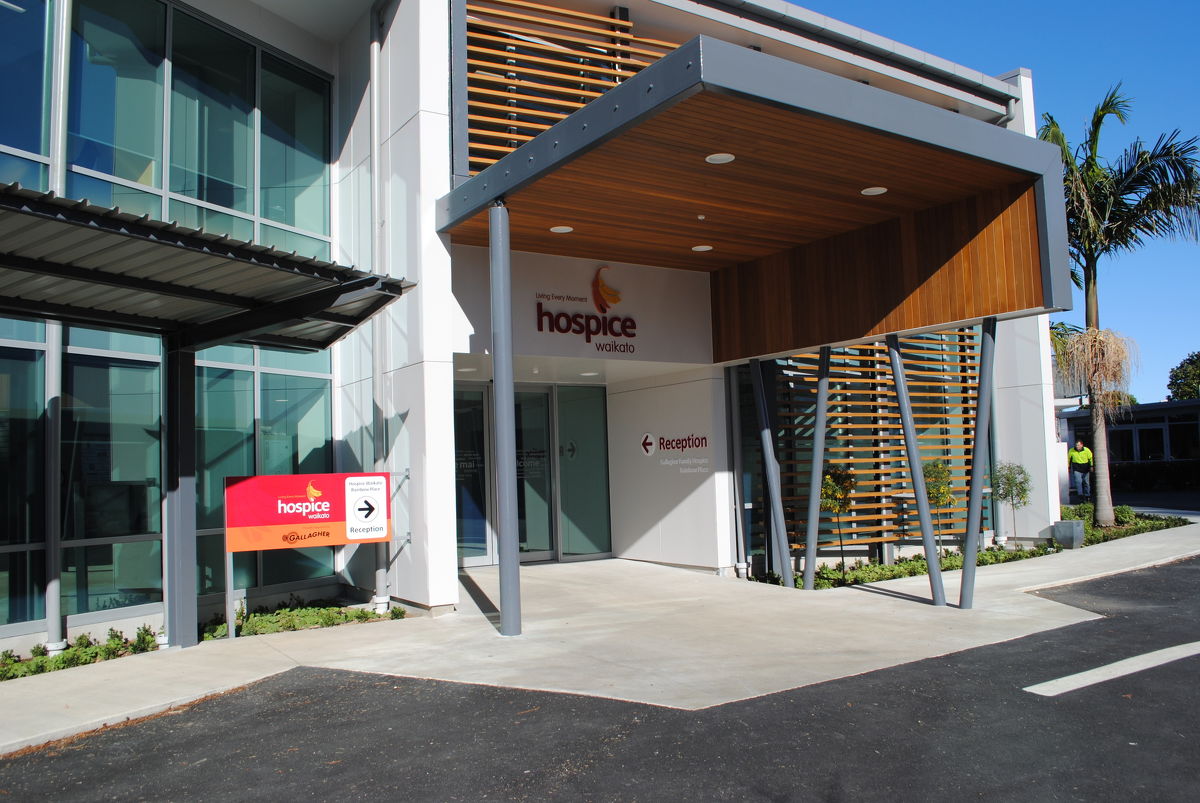
A surprising finding in a Hospice Waikato study
Date: 18 Aug 2025
Mark Taylor, Waikato Times
Published: 18 August 2025
Rural patients in Waikato are being referred to hospice services earlier than people in urban areas—a finding researchers called “an intriguing departure from established patterns”.
It’s one of the standout insights from a new audit of palliative care in the region, published in the New Zealand Medical Journal on Friday.
The news is not so good for people in aged care, who are waiting the longest.
The study looked at 511 patients referred to Hospice Waikato between January 2021 and January 2023 to explore how factors like location and ethnicity influence access to specialist care at the end of life.
The study’s authors, Rebecca J Stevenson and Lana Ferguson, found that where you live makes a real difference. Rural patients had a median referral time of 59 days before death—much earlier than their urban counterparts, who were referred a median of 36 days out. Those in aged residential care waited the longest, with a median referral time of 24 days before death.
The study covered 511 patients referred to Hospice Waikato over the two years to January 2023.
Nationally, rural communities often face greater health challenges and worse outcomes.
“The surprising finding of better rural [palliative care] access contradicts typical patterns and merits further investigation,” they wrote.
It’s not clear exactly why rural patients are being referred earlier and having more input from specialists, but the authors suggest a few possibilities. It might be the result of more proactive referrals from rural GPs who know access can be an issue, or “reflect successful targeted interventions”.
While rural patients were getting in earlier, those in aged care were being referred much later—and were also far less likely to receive medical input from a hospice doctor. Only 8.7% of aged care patients saw a specialist doctor through the hospice service, compared with 52% of rural patients and 40% of urban ones.
The study’s authors pointed to broader challenges in aged residential care. While more people are now spending their final months in care homes, many are geared toward rehabilitation rather than palliativsupport. Past research has found that less than half of aged care staff have received any formal palliative care training.
“With Aotearoa New Zealand’s aged population projected to increase from 0.79 million to 1.4 million between 2020 and 2050, addressing these disparities becomes increasingly urgent,” the researchers wrote.
Patients from rural Waikato were referred to palliative care earliest, and those in aged care waited the longest, the study says.
There was better news when it came to how quickly patients were contacted once referred. There was a “median 1-day timeframe for first phone contact” with the hospice, and face-to-face visits followed within about a week. These response times were consistent across urban, rural and aged care settings, suggesting the service is doing well to meet demand despite covering a big geographic area.
The audit also compared Māori and Pākehā patients and found referral times and access to hospice doctors were broadly similar between the two groups. While that might suggest equity in the system, the researchers cautioned that equal numbers don’t always reflect equal outcomes.
“The equity observed in our study may reflect only those patients who successfully navigated referral pathways rather than population-level equity and does not negate the persistent, systemic barriers Māori face in accessing healthcare at a population level, such as financial constraints, culturally unsafe services and experiences of racism and bias.”
Previous studies have found delayed referrals were a consistent barrier for Māori, the researchers say.
And, overall, Waikato patients are being referred to palliative care later than the 12-month timeframe, recommended in its criteria the study said. Earlier referrals would help to improve patient and family outcomes.
The criteria for referral to Hospice Waikato include having a terminal condition with a prognosis likely to be fewer than 12 months, being expected to need input from specialist palliative care, and that the patient has agreed.
The hospice has a nine-bed inpatient unit and an outpatient community service.
The full paper, written by Hospice Waikato Doctors Rebecca Stevenson and Lana Ferguson, and published in the 15 August 2025 NZ Medical Journal, is included below.
Back...