Our History
Hospice Waikato was founded in 1981 by Margaret Broad. Margaret’s interest in the Hospice movement grew out of her own personal family tragedy, and there is something gently uplifting about this, that she used the challenge of her own loss and grief to start an organisation dedicated to caring for people through the hardest of times.
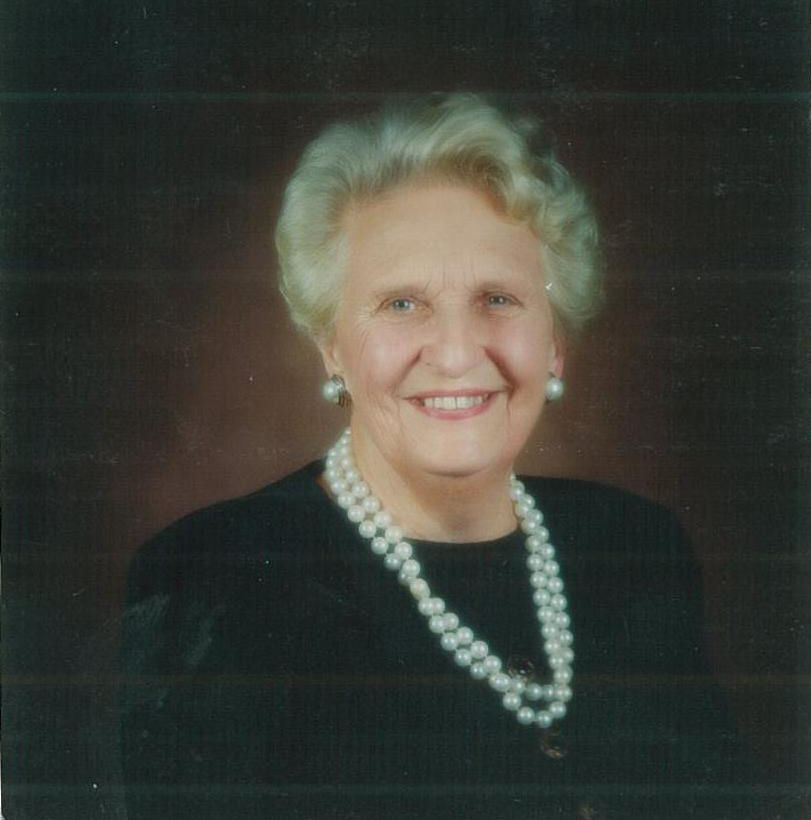
Margaret’s double loss occurred on November 28, 1979, when her husband Jon, and their daughter Philippa, were among 257 people killed as Air New Zealand Flight 901 plunged into Mt Erebus, in remote Antarctica. Margaret became interested in the hospice movement, which was flourishing overseas, and she began talking to people in Hamilton about it. She admired the hospice movement’s personal approach to the terminally ill: that when patients’ physical distress was controlled, and support was assured, then they and their families could share things, make plans, comfort one another, turn their attention to what remained of life, rather than awaiting death.
Margaret’s hospice vision was for qualified staff and volunteers to provide free, holistic care for terminally ill patients who preferred to remain at home. And also for a small, comfortable property with a few beds to be available when people could no longer cope at home, or for short-stays to give respite for carers and patients.
She organised a public meeting in November 1980, to explain this, and to gather interest. Margaret formed a steering committee from among those who attended. Fundraising began, Margaret spoke to many groups and organisations to garner support, and Waikato Community Hospice became a charitable trust in 1981. There was another big boost for the fledgling organisation when Margaret was awarded a Winston Churchill Memorial Trust Fellowship, to study hospice care in Britain. She spent two months visiting 10 hospices in England and Scotland. It was an intensive study trip, and on her return she compiled an impressive, insightful 178-page report on hospice management and care. Margaret still has the original report, and Hospice Waikato has copies of it.
Fast forward to today, and Hospice Waikato has grown into a much larger organisation, but it still has the same vision and philosophy that Margaret visualised more than 40 years ago. Today, Hospice Waikato is still very much focussed on the delivery of specialist community palliative care. With a commitment to keeping our services free for those who need them, and with the Government funding approximately 65% of our core service delivery costs each year, we generate funds from our own second-hand retail shops, and from the generosity of individuals, community groups, businesses and community funders, and the wider community who support our fundraising activities.